Crypto Security Self-Assessment
Based on the article's guidelines, check off the security measures you currently follow to calculate your "Security Score." Remember: The most secure coin is the one you store correctly.
Storage & Custody
Operational Security
Start Checking!
Select the checkboxes above to see your personalized security advice.
You buy a coin, it goes up, and you feel rich. Then you check your exchange account and realize you don't actually hold the keys. Or worse, you click a link in a Discord chat, sign a transaction you didn't read, and watch your funds vanish into a wallet address owned by someone in a basement halfway across the world. This happens every day. When people ask what is the most secure cryptocurrency, they are usually asking two different things: which blockchain code is hardest to hack, and which asset is safest for their personal holdings. The answer isn't just about picking one coin; it's about understanding how that coin works and where you keep it.
Security in crypto isn't a single switch you flip. It is a stack of layers. You have the underlying technology (the blockchain), the consensus mechanism (how nodes agree on truth), the network distribution (how many computers run it), and finally, your own habits. If any layer fails, your money is at risk. Let's break down what actually makes a digital asset secure in 2026, moving from the protocol level to the user level.
Defining Security in the Digital Asset World
Before we name names, we need to define what "secure" means here. In traditional banking, security often means insurance (like FDIC in the US or FSCS in the UK). In crypto, there is rarely such a thing. Instead, security refers to three specific technical attributes:
- Immutability: Can anyone change past transactions? If yes, the ledger is broken.
- Resistance to Attacks: How expensive is it to take over the network? This is measured by hash rate (for Proof-of-Work) or stake value (for Proof-of-Stake).
- Code Integrity: Are there known bugs in the smart contracts or core software that haven't been patched?
A coin can be technically robust but still risky if its community is small or its development team is anonymous and inactive. Conversely, a highly active project might move so fast that it introduces new vulnerabilities with every update. True security balances stability with resilience.
The Top Contenders: Bitcoin and Ethereum
If you look at raw data, Bitcoin is widely considered the most secure cryptocurrency due to its decentralized nature and massive hash rate. Launched in 2009, Bitcoin has never suffered a successful double-spend attack on its main chain. Its security model relies on Proof-of-Work (PoW), where miners spend real-world energy to validate transactions. To rewrite Bitcoin's history, an attacker would need to control more than 51% of all global mining power. Given the billions of dollars in specialized hardware currently running, this cost is prohibitive for anyone except perhaps a nation-state with unlimited resources.
Ethereum is the second most secure major network, having transitioned to Proof-of-Stake (PoS) in 2022. Unlike Bitcoin, Ethereum secures itself through economic staking. Validators lock up ETH to propose blocks. If they act maliciously, they lose their stake (slashing). While PoS uses less energy, critics argue it concentrates power among large staking pools. However, Ethereum's battle-tested codebase and the sheer number of independent validators make it incredibly difficult to compromise. As of late 2025, over 30 million ETH was staked, creating a financial barrier to attack worth tens of billions of dollars.
Why Altcoins Often Lag Behind
Newer blockchains like Solana, Cardano, or Avalanche offer faster speeds and lower fees. But speed often comes at the cost of decentralization. Many altcoins rely on fewer validators or centralized sequencers. For example, if a network only has 100 validators and 40 of them go offline simultaneously, the chain halts. That is a security failure, even if no hacker stole money.
Another issue is bridge security. Most altcoins connect to other chains via bridges. These bridges are smart contracts, and smart contracts are prone to hacks. Over $2 billion has been lost in bridge exploits since 2021. Bitcoin doesn't have these complex cross-chain dependencies in the same way. If you want maximum security, staying native to the base layer is safer than jumping between ecosystems.
| Cryptocurrency | Consensus Mechanism | Primary Security Vector | Main Risk Factor |
|---|---|---|---|
| Bitcoin | Proof-of-Work | Computational Hash Rate | Quantum Computing (long-term) |
| Ethereum | Proof-of-Stake | Economic Stake Value | Validator Centralization |
| Solana | Proof-of-History + PoS | Network Throughput | Hardware Requirements/Centralization |
| Monero | Proof-of-Work | Privacy & Obfuscation | Regulatory Scrutiny |

Private Coins: Security Through Obscurity
Some users argue that privacy coins like Monero are more secure because they hide transaction details. On Bitcoin, everyone can see your balance and history. On Monero, ring signatures and stealth addresses obscure sender, receiver, and amount. This protects against surveillance and targeted attacks. If an adversary knows you hold 10 BTC, they might target you physically or digitally. If they don't know you hold XMR, you remain invisible.
However, privacy brings regulatory risk. Exchanges in Australia and Europe frequently delist privacy coins due to anti-money laundering (AML) compliance issues. So while Monero is cryptographically secure, it may be operationally insecure if you cannot easily cash out. Security also means liquidity. If you can't sell your asset when needed, is it truly safe?
The Human Element: Storage Matters More Than Coin Choice
Here is the hard truth: choosing the right coin is only 20% of the battle. The other 80% is how you store it. You can hold the most secure Bitcoin ever mined, but if you leave it on an exchange like Coinbase or Binance, you don't own it. You own a claim on the exchange's reserves. If the exchange gets hacked or goes bankrupt (think Mt. Gox or FTX), your Bitcoin is gone.
To maximize security, you must move assets off-exchange. There are two main types of self-custody wallets:
- Hot Wallets: Software apps connected to the internet (e.g., MetaMask, Trust Wallet). Convenient for daily use but vulnerable to malware and phishing.
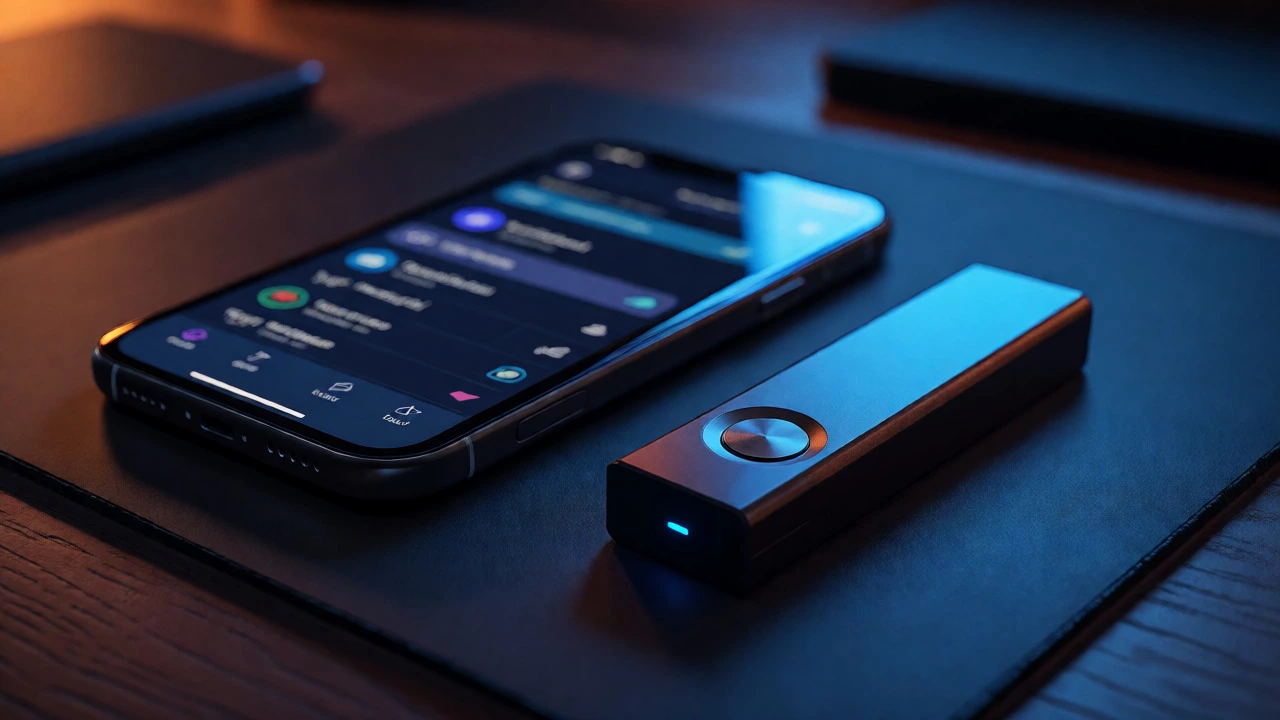
- Cold Wallets: Physical devices that keep private keys offline (e.g., Ledger, Trezor). These are immune to online hackers. Even if your computer has a virus, your keys stay safe inside the device.
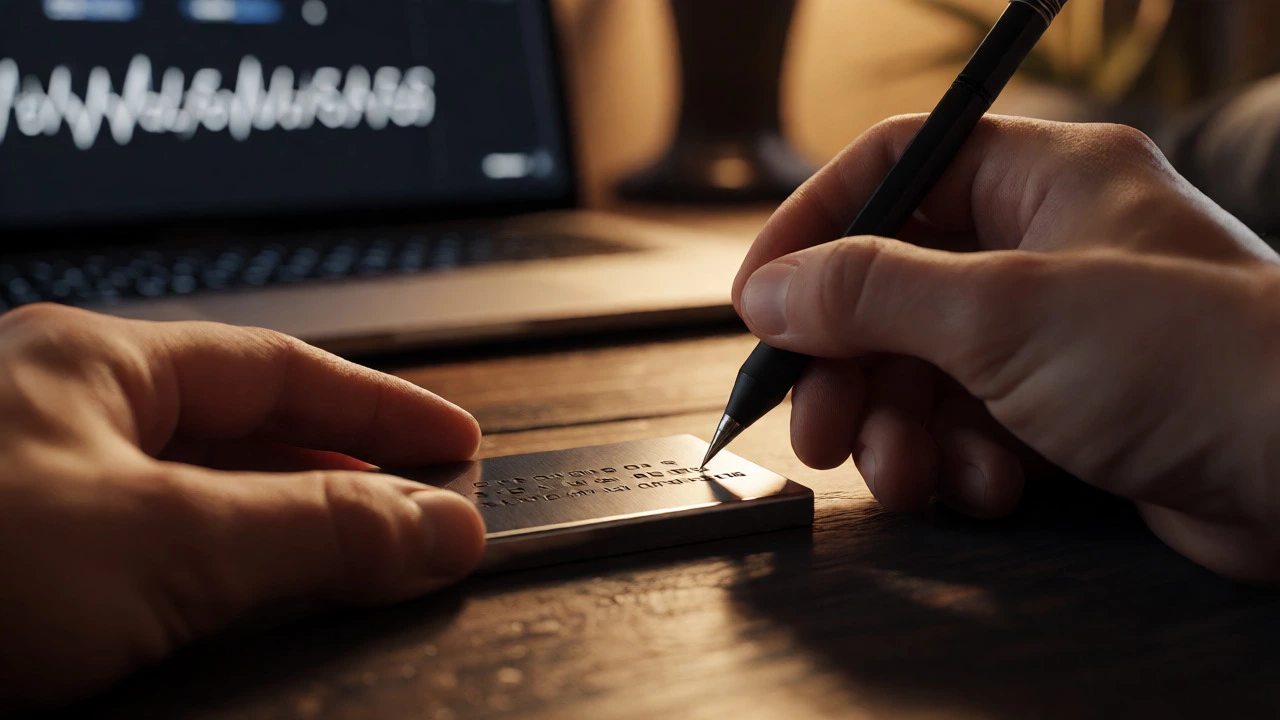
For significant holdings, a hardware wallet is non-negotiable. But even hardware wallets require care. You must back up your seed phrase (usually 12 or 24 words) on paper or metal, not in a cloud note. If you lose that phrase, you lose access forever. No support team can reset your password because there is no central authority.
Common Pitfalls That Kill Crypto Security
Most losses aren't due to blockchain failures; they are due to user error. Here are the biggest traps:
- Phishing Links: Clicking a fake website that looks exactly like your favorite DApp. Always bookmark URLs.
- Malicious Approvals: Signing a transaction that grants unlimited spending rights to a smart contract. Use tools like Revoke.cash to regularly check and revoke unused permissions.
- Seed Phrase Exposure: Taking a photo of your seed phrase and storing it in your phone gallery. Hackers scan cloud backups for images containing words like "abandon" or "zoo" (common BIP39 words).
- FOMO Investing: Buying into new projects without auditing the code. Many "secure" altcoins have unaudited smart contracts. Check for audits from reputable firms like CertiK or Trail of Bits before investing.
How to Evaluate a New Project's Security
If you're looking beyond Bitcoin and Ethereum, here’s a quick checklist to assess security before buying:
- Audit History: Has the code been audited by third parties? Multiple audits are better than one.
- Bug Bounty Programs: Does the project pay researchers who find vulnerabilities? High payouts indicate confidence.
- Team Transparency: Is the team doxxed (public identities)? Anonymous teams can rug-pull more easily.
- Decentralization Score: Look at metrics like Nakamoto Coefficient, which measures how many entities it takes to halt the network. Higher is better.
Remember, no system is perfect. Quantum computing poses a theoretical long-term threat to current encryption standards. While experts estimate this is decades away, projects working on post-quantum cryptography are worth watching. For now, however, classical attacks remain the primary concern.
Practical Steps to Secure Your Portfolio Today
You don't need to be a tech wizard to improve your security posture. Start with these actionable steps:
- Enable Two-Factor Authentication (2FA): Use an authenticator app (like Authy or Google Authenticator), not SMS. SIM swapping attacks are common.
- Use Unique Passwords: Never reuse passwords across exchanges and email.
- Test Small Transfers: Before sending a large sum to a new address, send a tiny amount first to ensure it arrives correctly.
- Keep Software Updated: Outdated wallet software may contain known vulnerabilities.
- Diversify Custody: Don't put all eggs in one basket. Keep some on a hardware wallet, some in a multisig setup, and maybe a small amount on a reputable exchange for trading.
Security is a mindset, not a product. It requires constant vigilance. The most secure cryptocurrency is the one you understand deeply and store properly. If you treat your digital assets with the same caution as physical cash locked in a safe, you’ll avoid the majority of pitfalls that trap inexperienced investors.
Is Bitcoin really unhackable?
The Bitcoin blockchain itself has never been hacked. However, individual wallets, exchanges, and software implementations can be compromised. The network's consensus mechanism is extremely robust, but user error and centralized service failures are common points of failure.
Are hardware wallets 100% safe?
No system is 100% safe. Hardware wallets protect against remote hacking, but they are vulnerable to physical theft, supply chain attacks (if bought second-hand), and user mistakes like losing the recovery seed or signing a malicious transaction blindly.
Does Proof-of-Stake reduce security compared to Proof-of-Work?
It changes the security model rather than reducing it. Proof-of-Stake relies on economic penalties (slashing) to deter attackers. While it uses less energy, some argue it leads to greater centralization among wealthy validators. However, for established networks like Ethereum, the economic cost of attacking the network remains prohibitively high.
What is the biggest security risk for beginners?
Phishing scams and leaving funds on unregulated exchanges. Beginners often fall for fake websites or give too many permissions to unknown smart contracts. Storing large amounts on an exchange exposes you to counterparty risk if the platform fails.
Can quantum computers break cryptocurrency security?
Potentially, in the distant future. Large-scale quantum computers could theoretically break the elliptic curve cryptography used by Bitcoin and Ethereum. However, estimates suggest this is at least 10-15 years away, and developers are already working on quantum-resistant upgrades.