GST Calculator
Calculate GST Amount
Business GST Calculator
When you buy something online or at a store in Australia, you’ve probably seen GST on your receipt. But what does GST actually mean? It stands for Goods and Services Tax. It’s not just a number on your bill-it’s the main way the government collects money from most sales of goods and services. If you run a business, file taxes, or even just shop regularly, understanding GST helps you know where your money goes and what you owe.
How GST Works in Simple Terms
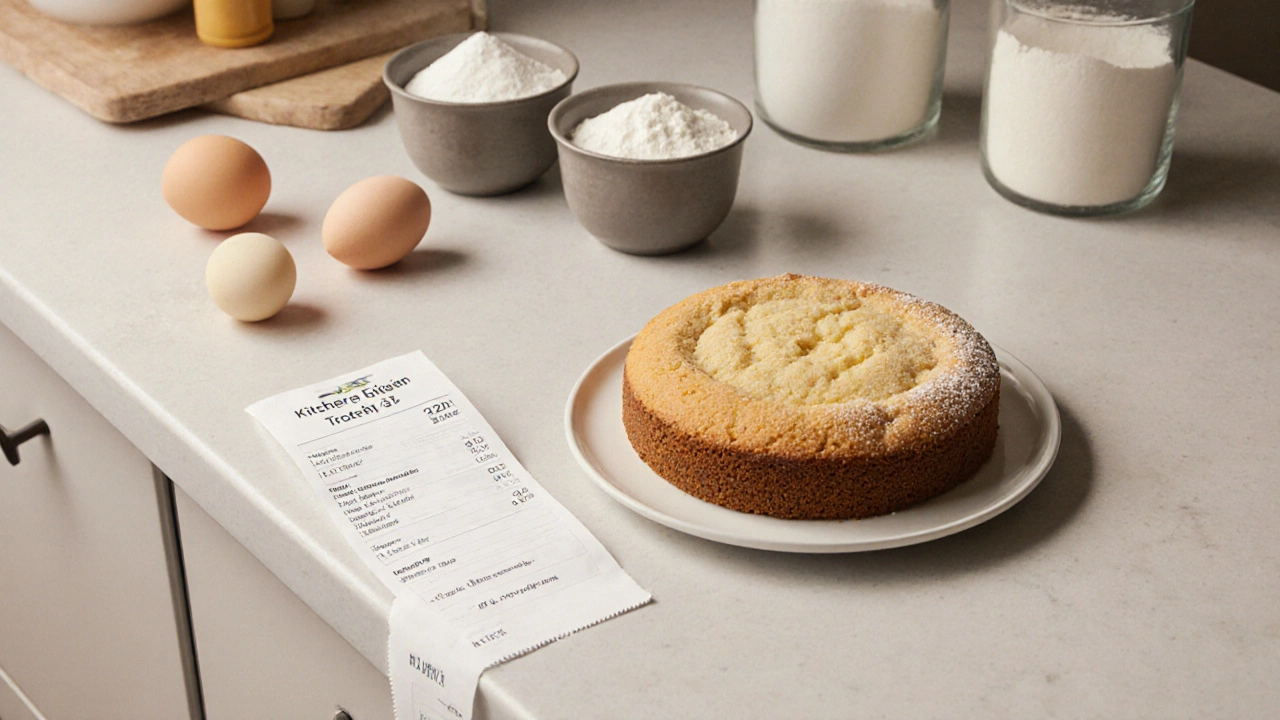
Imagine you make a cake and sell it for $22. That $22 includes $2 in GST. The $2 doesn’t go into your pocket-it’s money you collect on behalf of the government. Later, you send that $2 to the tax office. But here’s the catch: if you bought flour, eggs, and sugar for $10 (with $1 GST already paid), you can claim back that $1. So you only pay the government $1 net. That’s how GST avoids double-taxing the same product as it moves from maker to seller to buyer.
This system is called a value-added tax. Each business along the chain collects GST on what they sell and claims back what they paid on what they bought. The final consumer pays the full amount because they don’t resell the product. That’s why you, as a customer, see the full GST charge every time you buy something.
Who Has to Register for GST?
You don’t need GST if you’re just buying coffee or groceries. But if you’re running a business, the rules change. In Australia, you must register for GST if your business earns more than $75,000 a year in turnover. For non-profit organisations, the threshold is $150,000. If you’re in the taxi or ride-share industry-even if you earn less-you still need to register.
Many small businesses choose to register even if they’re under the limit. Why? Because they can claim back GST on their business expenses. If you buy a laptop for $1,100 ($100 GST included), you get that $100 back. That can make a real difference in cash flow.
What Goods and Services Are Taxed?
Not everything gets taxed under GST. Most everyday items are included, but there are key exceptions:
- Exempt: Basic food (like bread, fruit, vegetables), education, health services, childcare, and some medicines.
- Input-taxed: Residential rent, financial services (like bank fees), and private health insurance. You can’t charge GST on these, and you can’t claim GST back on related costs.
- Taxable: Everything else-clothing, electronics, cars, restaurant meals, haircuts, software subscriptions, and consulting services.
Knowing the difference matters. If you run a café, you charge GST on coffee and cakes, but not on the rent you pay for your shop. That affects how you file your returns and how much you owe.
The GST Filing Process: Step by Step
Filing GST isn’t complicated, but it does require regular attention. Most businesses file either monthly, quarterly, or annually, depending on their size and turnover. Here’s how it works:
- Track your sales and purchases. Use accounting software, spreadsheets, or even a notebook. Record every sale (with GST charged) and every business expense (with GST paid).
- Calculate your GST collected. Add up all the GST you charged customers during the reporting period.
- Calculate your GST paid. Add up all the GST you paid on business purchases.
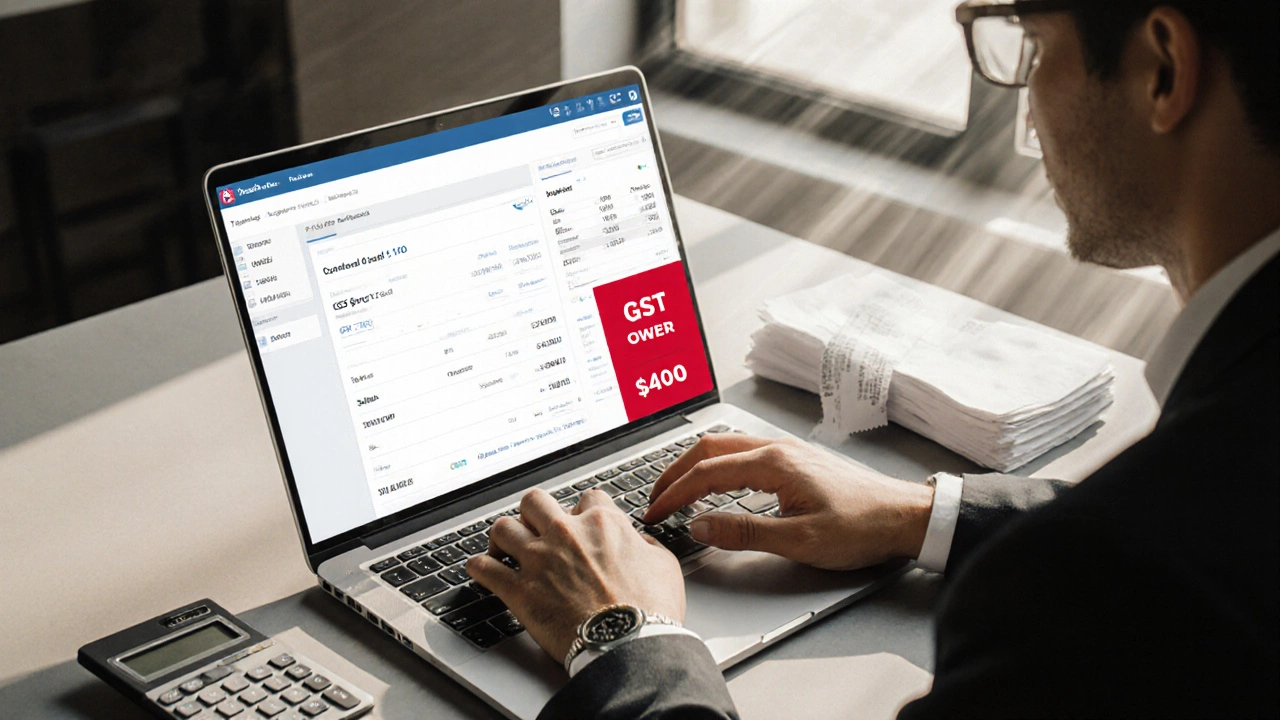
- Subtract what you paid from what you collected. If the result is positive, you owe that amount to the ATO. If it’s negative, you get a refund.
- Submit your Business Activity Statement (BAS). This is the official form you use to report GST, along with other taxes like PAYG withholding.
You can file your BAS online through the ATO’s myGov portal, or through accounting software like Xero, QuickBooks, or MYOB. Many small business owners use an accountant to handle this, especially if they’re not confident with numbers.
Common Mistakes People Make with GST
Even experienced business owners mess up GST sometimes. Here are the top errors:
- Forgetting to charge GST on services like consulting or digital products. Just because it’s online doesn’t mean it’s exempt.
- Claiming GST on personal expenses. If you buy a phone for your kid and use it for work sometimes, you can’t claim the full GST. Only the business portion counts.
- Missing deadlines. If you file late, even by a day, you can get penalties. The ATO doesn’t send reminders-you’re responsible.
- Not keeping receipts. The ATO can ask for proof of your GST claims. If you don’t have them, you lose the refund.
Keeping digital copies of receipts and using software that auto-tags expenses saves hours and prevents costly mistakes.
What Happens If You Don’t File GST?
Ignoring GST isn’t an option. The ATO has systems that match your bank transactions, supplier invoices, and customer payments. If you’re registered and don’t file, you’ll get notices. Penalties start at $222 for late filing and can go up to $1,110. If you owe money and don’t pay, interest builds up daily. In serious cases, the ATO can freeze your bank account or take legal action.
But if you’re behind, don’t panic. The ATO has programs to help small businesses get back on track. You can apply for a payment plan or even get penalties reduced if you show you’re trying to fix it.
How GST Affects You as a Consumer
You might think GST is just a business thing. But it’s everywhere. When you buy a new phone, pay for a gym membership, or order takeout, you’re paying GST. That money funds public services-hospitals, schools, roads, and public transport.
Some people complain that GST is unfair because it hits low-income earners harder. That’s true-it’s a flat rate, so a $2 tax on a $20 item is the same whether you earn $40,000 or $400,000. That’s why the government gives targeted payments like the Energy Supplement to help with living costs.
Still, GST is simpler than the old sales tax system. It’s transparent. You can see exactly how much tax you paid on your receipt. That’s something many countries still don’t have.
Tools That Make GST Easier
You don’t need to be an accountant to handle GST. There are tools built for small business owners:
- MYOB and QuickBooks: Automatically track GST on sales and purchases, generate BAS reports.
- Xero: Syncs with bank feeds so you don’t have to manually enter transactions.
- ATO’s online services: Free portal to file BAS, check payment history, and get reminders.
- Receipt bank apps: Snap a photo of your receipt and it’s tagged as a business expense with GST included.
Many of these tools offer free versions for small businesses with low turnover. Start simple. Use a spreadsheet if you need to. The key is consistency.
What’s Next After GST Registration?
Once you’re registered, you’ll get a GST number (also called an ABN with GST attached). You must include it on your invoices. You’ll also need to start keeping records for at least five years.
As your business grows, you might need to think about:
- Switching from quarterly to monthly reporting if your turnover increases.
- Claiming GST on capital purchases like equipment or vehicles.
- Understanding GST rules if you start selling overseas or to other businesses.
There’s no rush to do everything at once. But knowing what’s coming helps you avoid surprises.
Final Thoughts: Why GST Matters
GST isn’t just a tax-it’s a system that keeps the economy running. It’s fairer than old-style sales taxes because it’s applied at every stage, not just at the final sale. It’s efficient because businesses collect it for the government. And for you, whether you’re a buyer or a seller, it’s something you can manage with a little knowledge and the right tools.
Don’t let GST feel overwhelming. Break it down. Track your numbers. Use free resources. File on time. And remember-you’re not alone. Millions of Australians handle GST every quarter. You can too.
What does GST stand for?
GST stands for Goods and Services Tax. It’s a 10% tax applied to most goods and services sold or consumed in Australia.
Do I need to register for GST if I earn less than $75,000 a year?
You’re not required to register if your annual turnover is under $75,000 (or $150,000 for non-profits). But you can choose to register voluntarily. Doing so lets you claim back GST on your business expenses, which can improve your cash flow.
How often do I need to file GST?
Most small businesses file GST quarterly through a Business Activity Statement (BAS). If your turnover is over $20 million, you must file monthly. Some very small businesses can file annually if they qualify.
What happens if I forget to file my GST?
If you miss your BAS deadline, you’ll get a late lodgment penalty starting at $222. Interest also accrues on any unpaid GST. The ATO may send reminders, but it’s your responsibility to file on time. If you’re behind, contact the ATO-they offer payment plans and penalty reductions for those who take action.
Can I claim GST on my car if I use it for business?
Yes, if you’re registered for GST and use your car for business purposes, you can claim GST on the purchase price and fuel. You need to keep a logbook to prove your business use percentage. For example, if 60% of your driving is for work, you can claim 60% of the GST paid on fuel and maintenance.
Are there any items that don’t have GST?
Yes. Basic food items like bread, fruit, vegetables, and milk are GST-free. Education services, health and medical services, and some childcare services are also exempt. Residential rent and financial services are input-taxed, meaning no GST is charged, and you can’t claim GST back on related costs.