
Credit Card Cancellation Impact Calculator
Recommendation
Based on your inputs, here is our strategic advice...
Enter Your Details
Fill in your credit information and click "Analyze Impact" to see how closing a card affects your score.
You stare at your wallet. There’s that old credit card from five years ago-the one you haven’t touched since a holiday purchase in 2021. It sits there, dormant, collecting dust. Should you pull it out and call the bank to cancel it? Or should you let it sleep?
This isn’t just about decluttering your wallet. It’s about protecting your financial reputation. Many people assume that fewer cards mean less temptation and simpler life. But when it comes to how lenders view your reliability, keeping an inactive card can actually work harder for you than closing it does. Let’s break down exactly what happens behind the scenes when you hit that "close account" button.
The Two Pillars of Your Credit Score
To understand why you might want to keep that dead weight, you first need to know how scoring models like FICO and VantageScore calculate your number. These aren't random guesses; they are mathematical formulas based on specific data points sent by lenders to credit bureaus.
Two factors matter most here:
- Credit Utilization Ratio: This is the amount of debt you owe compared to your total available credit limit. Lower is better. Ideally, you want this under 30%, but under 10% is optimal.
- Average Age of Accounts: Lenders love longevity. The longer your credit history stays open and active, the more stable you appear to be.
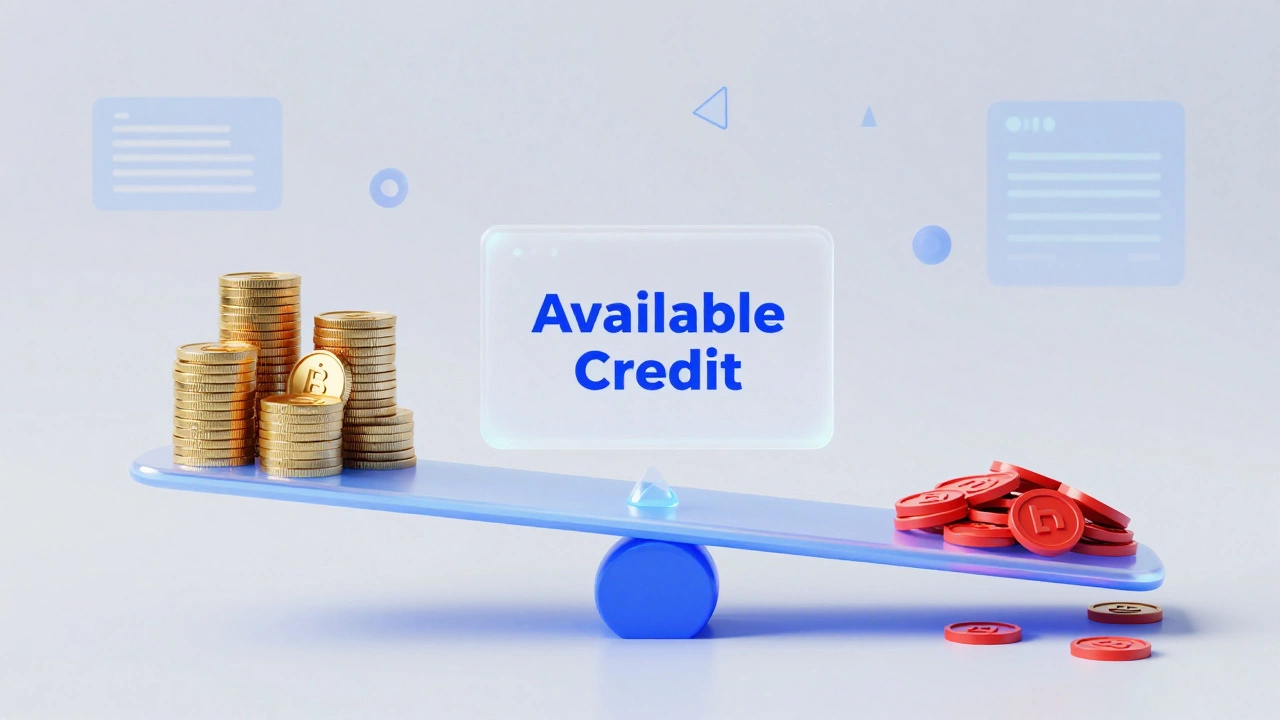
When you cancel a card, you don’t just remove a piece of plastic. You instantly reduce your total available credit limit. If you have any balances on your other cards, your utilization ratio spikes immediately. A spike in utilization is one of the fastest ways to drop your score.
The Hidden Cost of Closing an Account
Imagine you have three credit cards. Card A has a $5,000 limit, Card B has a $5,000 limit, and Card C (the unused one) has a $10,000 limit. Your total available credit is $20,000.
If you carry a $1,000 balance on Card A, your utilization is 5% ($1,000 / $20,000). That’s excellent. Now, imagine you cancel Card C because you’re not using it. Your total available credit drops to $10,000. Suddenly, that same $1,000 balance represents 10% utilization. While 10% is still good, if you had higher balances elsewhere, the math gets ugly fast. For someone with tighter margins, closing a high-limit card could push them from 10% to 40%, triggering a significant score drop.
Furthermore, closed accounts do disappear from your credit report eventually. Positive accounts stay for up to ten years, but negative marks (like late payments) stay for seven. However, once a positive account falls off your report, its contribution to your average age of accounts vanishes completely. You lose that veteran status overnight.
When Keeping the Card Makes Sense
There are clear scenarios where holding onto an unused card is a strategic move. Think of these cards as "score anchors." They provide stability without requiring active spending.
| Situation | Action | Reasoning |
|---|---|---|
| High credit limit on old card | Keep | Maintains low utilization ratio and boosts average account age. |
| Card has an annual fee | Cancel | Cost outweighs the marginal benefit to your credit score. |
| Temptation to overspend | Cancel or Freeze | Behavioral control is more important than theoretical score gains. |
| Older card with low limit | Keep | Helps lengthen credit history even if the limit is small. |
If you are planning to apply for a major loan-like a mortgage or a car loan-in the next six months, do not close any accounts. Lenders will scrutinize your credit profile closely during this window. Any sudden changes, like a dropped credit limit or a new hard inquiry, can raise red flags or lower your interest rate eligibility.
The Security Risk: Why Some People Cancel
On the flip side, security is a valid concern. Every active account is a potential target for identity theft. If your personal details are compromised, having multiple open lines of credit gives fraudsters more avenues to exploit. In Australia, while liability for unauthorized transactions is generally capped, dealing with the bureaucracy of disputing fraudulent charges on a card you didn’t intend to use is stressful and time-consuming.
Additionally, some issuers may charge an annual fee for premium cards. If you’re not using the travel insurance, lounge access, or cash back rewards, that fee is pure waste. In this case, the financial loss of the fee outweighs the abstract benefit of a slightly higher credit score. Always check the terms. If a card costs money to hold and offers no utility, cut it loose.
The Middle Ground: The "Zombie" Strategy
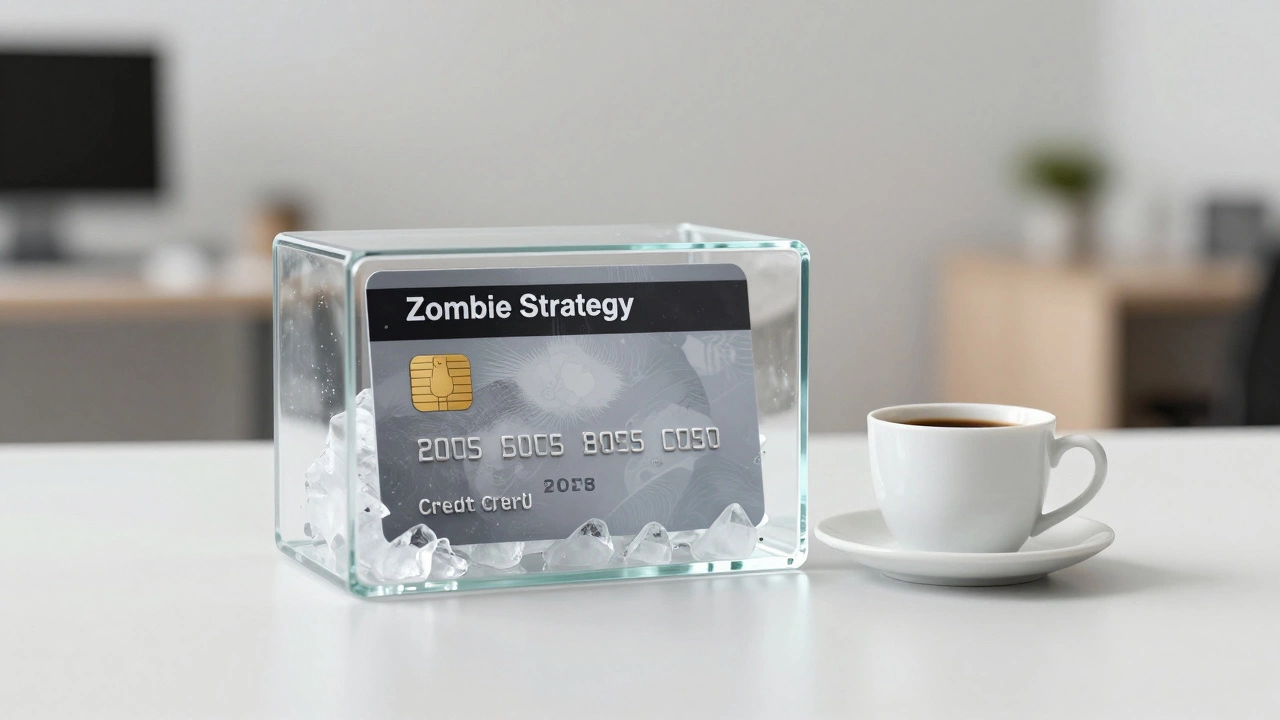
You don’t have to choose between full usage and total cancellation. There is a third option often called the "zombie" strategy. This involves keeping the account open but rendering it unusable for daily spending.
- Call the issuer: Ask them to lower your credit limit to $1 or $10. This prevents accidental overspending if the card info is stolen, but keeps the account technically open.
- Store it safely: Cut up the physical card so you can’t swipe it, but keep the number recorded securely in a password manager or a safe deposit box.
- Make a tiny transaction: Once every six months, buy a coffee or a pack of gum online and pay it off immediately. This ensures the issuer doesn’t close the account for "inactivity," which many banks do after 12-24 months of silence.
This approach preserves your credit history length and available credit (if you request a limit increase later) while minimizing risk and eliminating the temptation to spend. It’s the best of both worlds for most consumers.
How Issuers Handle Inactive Accounts
It’s important to know that banks don’t like dormant accounts either. They earn revenue through interchange fees (the small percentage they get when you swipe) and interest. An inactive card earns them nothing. Consequently, many issuers will proactively close accounts that show no activity for extended periods, typically ranging from 12 to 24 months depending on the institution.
If they close it, you lose the benefits mentioned above. Therefore, if you decide to keep a card for credit score purposes, you must engage with it minimally. Set a calendar reminder for every six months to make a small purchase. It takes two minutes and saves your credit profile from unexpected erosion.
Summary: To Close or Not to Close?
Deciding whether to cancel an unused credit card depends on your current financial goals and risk tolerance. If you are actively building credit, applying for loans soon, or have a thin credit file, keeping those old accounts open is crucial. They act as buffers against utilization spikes and pillars of your credit history.
However, if the card carries an annual fee, poses a security risk you can’t manage, or tempts you into bad spending habits, closing it is the right choice. Remember, a perfect credit score is useless if you’re drowning in debt or paying unnecessary fees. Use the zombie strategy if you want to hedge your bets: keep the door ajar, but lock the room.
Does closing a credit card hurt my credit score immediately?
Yes, it can. Closing a card reduces your total available credit limit, which increases your credit utilization ratio. If you have existing balances, this spike in utilization can cause your score to drop within 30 days. Additionally, over time, the closed account will stop contributing to your average age of accounts, potentially lowering your score further as the account ages off your report.
How long does a closed credit card stay on my report?
A closed credit card with a positive payment history typically remains on your credit report for up to 10 years. During this time, it continues to help your credit score by contributing to the length of your credit history. However, it does not contribute to your available credit limit once closed, so it only helps the "age" factor, not the "utilization" factor.
Should I cancel my credit card if I have an annual fee?
Generally, yes. If you are not using the benefits associated with the annual fee (such as travel insurance, lounge access, or significant cash back), the cost outweighs the minor benefit to your credit score. You can often contact the issuer to see if they offer a no-fee version of the same card, allowing you to keep the account open without paying.
What is the "zombie" credit card strategy?
The zombie strategy involves keeping a credit card account open but inactive for daily use. You store the card safely, make a very small purchase every six months to prevent the issuer from closing it for inactivity, and pay the balance in full immediately. This maintains the account's age and limits your exposure to fraud or overspending.
Can I lower my credit limit instead of closing the card?
Yes, you can request a lower credit limit. However, be cautious. Lowering your limit increases your credit utilization ratio, which can hurt your score. It is usually better to keep the limit high but cut up the physical card or freeze it in ice to prevent use, rather than reducing the available credit reported to bureaus.