Crypto Trade Risk & Position Calculator
Trade Setup
Execution & Leverage
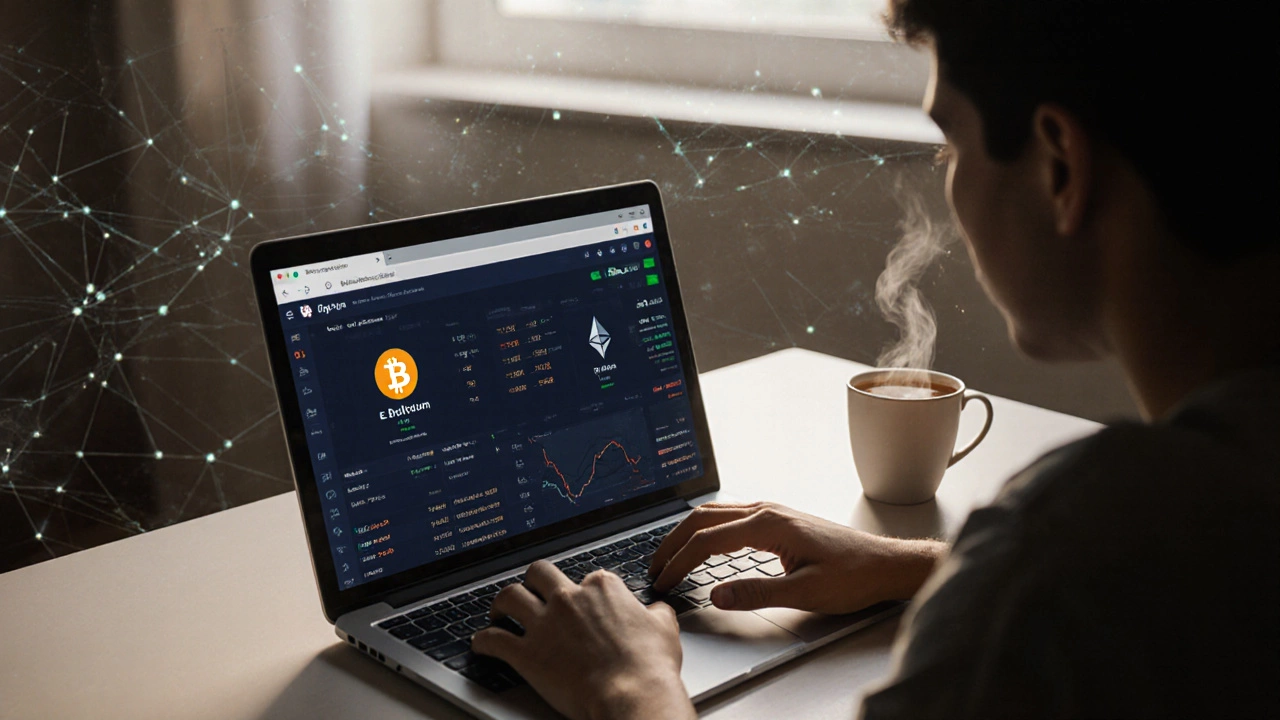
Imagine waking up to find your portfolio has jumped 20% while you were sleeping, only to see it crash 30% by lunchtime. That is the visceral reality of the crypto markets. For some, this volatility is a nightmare; for others, it is the exact reason they get into the game. But if you are asking whether crypto trading is actually "good," you aren't looking for a hype reel. You want to know if the math works and if the risk is manageable for a regular person.
First, let's get the basics straight. Cryptocurrency is a digital or virtual currency secured by cryptography, making it nearly impossible to counterfeit or double-spend. Unlike the US Dollar or the Australian Dollar, most cryptos aren't backed by a government. Instead, they rely on Blockchain technology-a distributed ledger that records every transaction across a network of computers.
Quick Reality Check
- High Volatility: Prices swing wildly, offering huge gains but also total losses.
- 24/7 Market: Unlike the NYSE, crypto never sleeps. This is a blessing and a curse for your mental health.
- Low Barrier to Entry: You can start with $10 on a phone app; no fancy broker required.
- Regulatory Fog: Laws change fast, and what is legal today might be a grey area tomorrow.
The Appeal: Why People Trade Digital Assets
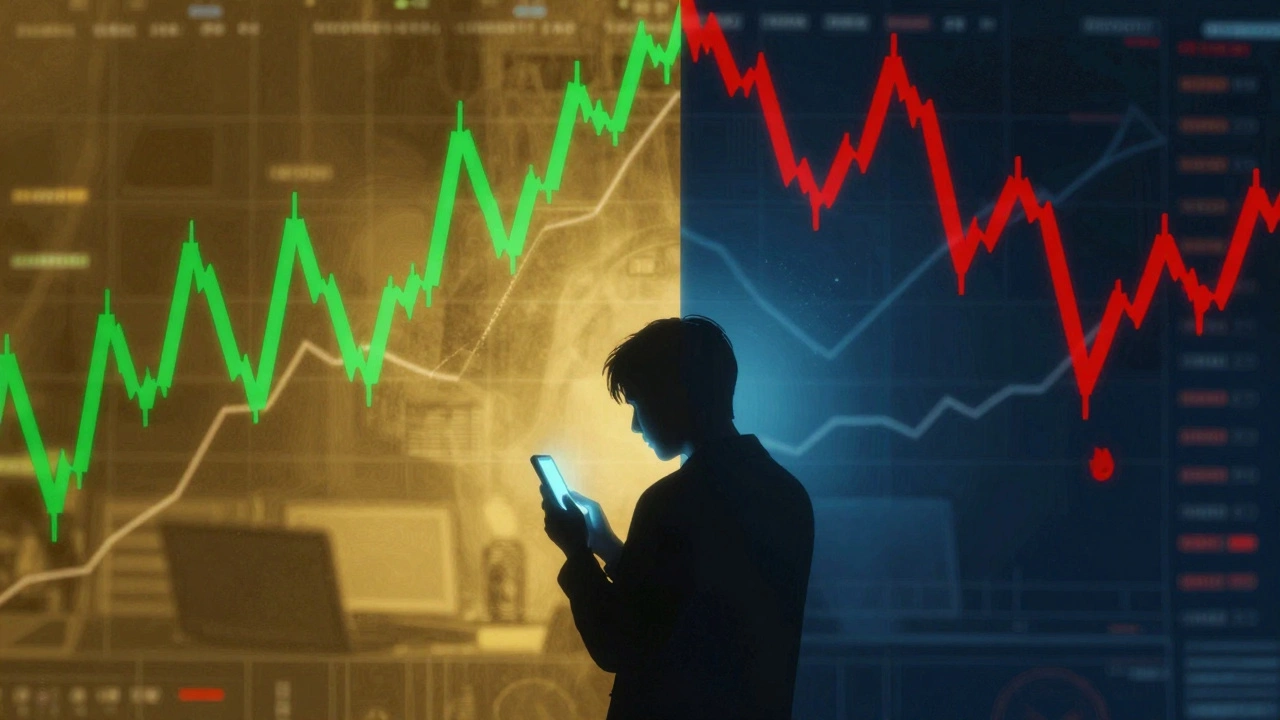
The biggest draw is the asymmetric upside. In the stock market, a 5% move in a day is a big deal. In crypto, a 5% move is a Tuesday. This allows traders to capitalize on short-term swings using Technical Analysis-the study of price charts and patterns to predict where the price will go next. If you can spot a trend early, the returns can dwarf traditional dividends.
Then there is the accessibility. You don't need to wait for market open at 9:30 AM. Whether you are in Sydney or New York, you can execute a trade on Binance or Coinbase in seconds. This fluidity makes it an attractive playground for people who enjoy fast-paced environments and have a high risk tolerance.
The Danger Zone: Where Traders Go Wrong
Most people fail at crypto trading not because they can't read a chart, but because they can't manage their emotions. The "Fear Of Missing Out" (FOMO) leads traders to buy at the top of a peak, just before a correction. When the price drops, they panic-sell at the bottom, locking in losses.
Another massive pitfall is Leverage. Many exchanges allow you to trade with 10x or 50x leverage. This means if you have $1,000, you can trade as if you have $50,000. While this amplifies gains, it also amplifies losses. A small 2% move in the wrong direction can trigger a "liquidation," where the exchange closes your position and you lose your entire initial investment instantly.
Comparing Crypto Trading to Traditional Stocks
| Feature | Cryptocurrency | Stock Market |
|---|---|---|
| Market Hours | 24/7/365 | Fixed business hours |
| Volatility | Extreme | Moderate to Low |
| Regulation | Varies by region (evolving) | Highly regulated (SEC/ASIC) |
| Asset Value Base | Utility, Network Effect, Speculation | Earnings, Revenue, Assets |
| Entry Barrier | Very Low | Low to Moderate |
How to Actually Approach it Without Losing Everything
If you've decided the risk is worth it, you need a system. Trading without a plan is just gambling with extra steps. Start by defining your timeframe. Are you a Scalper (making dozens of trades a day for tiny profits), a Swing Trader (holding for days or weeks), or a HODLer (long-term investing)?
Next, implement a strict risk management rule: Never risk more than 1-2% of your total capital on a single trade. If you have $1,000, don't bet $500 on one "hot tip" from a social media influencer. Use a Stop-Loss Order-an automated instruction to sell your asset once it hits a certain price. This prevents a small mistake from becoming a financial catastrophe.
Focus on Bitcoin (BTC) and Ethereum (ETH) before diving into smaller "altcoins." The larger coins are still volatile, but they are less likely to disappear overnight. Smaller coins, often called "meme coins," can go to zero in hours, regardless of how "good" the project seems.
The Psychological Toll of Digital Trading
We don't talk enough about the stress. Trading crypto can be an all-consuming hobby. Because the market never closes, there is a constant urge to check your phone. This leads to "revenge trading," where a trader tries to "win back" a loss by taking an even riskier position. This is the fastest way to blow an account.
The key to survival is detachment. You have to treat the money you put into trading as "gone" the moment you deposit it. If you are trading with money meant for next month's rent or your car payment, the emotional pressure will make you make bad decisions. Trading is about probability, not certainty.
Final Verdict: Is it Good for You?
Whether crypto trading is "good" depends entirely on your financial situation and personality. If you are looking for a stable way to grow your retirement fund, this is probably not it. However, if you have a disposable income, a curiosity for technology, and the discipline to stick to a strategy, it can be a powerful tool for wealth generation.
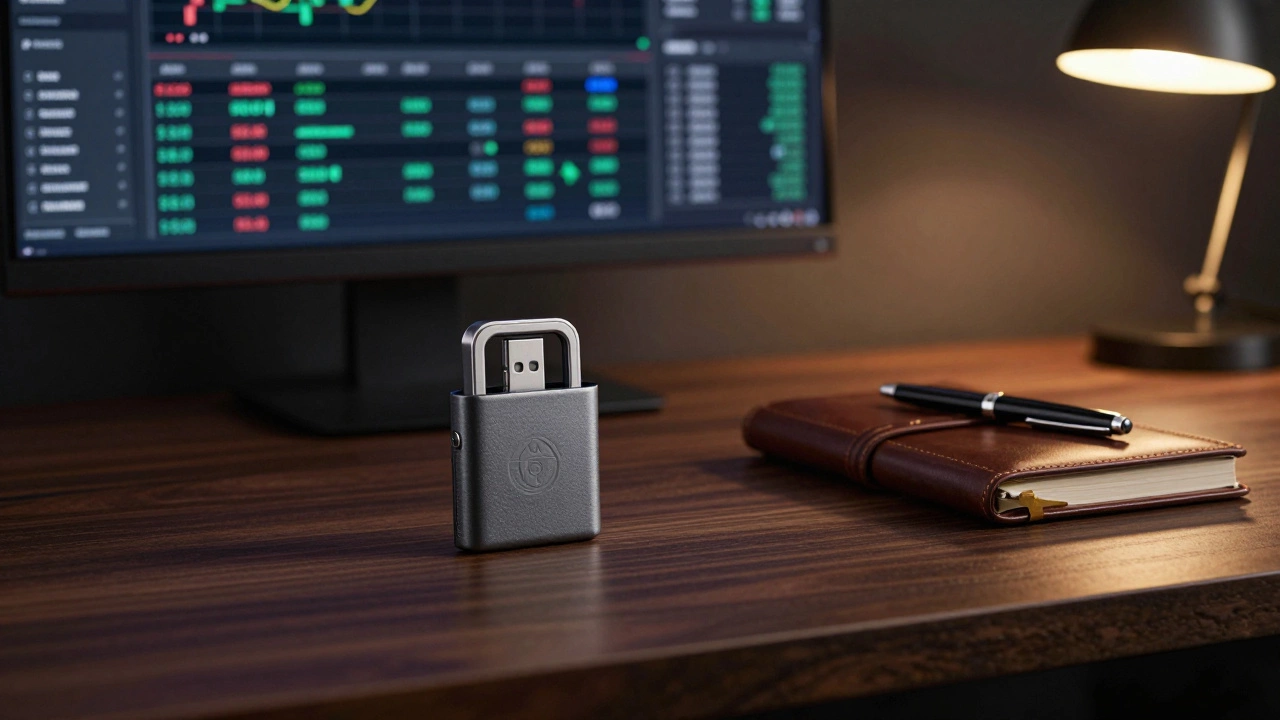
The most successful traders aren't the ones who find the next 100x coin; they are the ones who survive the crashes. They treat it like a business, not a casino. They track their wins and losses in a journal, they keep their private keys secure in Hardware Wallets, and they know when to walk away from the screen.
Frequently Asked Questions
Can I make a full-time living trading crypto?
Yes, it is possible, but it is incredibly difficult. Most full-time traders spend years learning technical analysis and psychology before they become consistently profitable. It requires a significant amount of starting capital and a very high tolerance for stress and uncertainty.
What is the safest way to store my trading funds?
For active trading, you keep funds on an exchange, but for long-term holdings, use a hardware wallet (cold storage). This keeps your private keys offline and away from hackers. A common rule is to only keep the amount you are actively trading on the exchange and move the rest to a secure wallet.
Do I need to pay tax on my crypto trades?
In most countries, including Australia and the US, crypto trades are taxable events. This means every time you sell one coin for another or convert crypto to cash, you may owe Capital Gains Tax (CGT) on the profit. It is highly recommended to use tracking software to log every trade for tax season.
What is the difference between trading and investing in crypto?
Trading is short-term. You are looking to profit from price fluctuations over minutes, hours, or days. Investing (or HODLing) is long-term. You believe in the project's value and hold the asset for years, regardless of short-term price drops.
Which is better: Spot trading or Futures trading?
Spot trading involves buying the actual asset; it is lower risk because you can't lose more than you invested. Futures trading involves speculating on the future price using leverage; it is much higher risk and can lead to total loss (liquidation) very quickly.
How do I avoid scams in the crypto market?
Avoid any "guaranteed return" schemes. No legitimate trader or project can guarantee a profit. Be wary of people asking for your seed phrase or private keys-no support team will ever ask for them. Always do your own research (DYOR) and avoid following hype-driven calls from unverified social media accounts.