Crypto Risk & Position Size Calculator
Buying your first Bitcoin feels like stepping into a new world. The prices jump, the charts move fast, and everyone seems to know something you don't. For many beginners, the biggest hurdle isn’t understanding what Cryptocurrency is, but how to actually trade it without losing money or getting confused by jargon. This guide cuts through the noise. It walks you through the exact steps to start trading, from picking the right platform to managing your risks. You don’t need a finance degree to do this. You just need a clear plan and the patience to stick with it.
Key Takeaways for New Traders
- Cryptocurrency trading involves buying and selling digital assets on exchanges to profit from price changes.
- Start with a reputable exchange that offers low fees and strong security features.
- Use limit orders instead of market orders to control your entry and exit prices.
- Never invest more than you can afford to lose, as crypto markets are highly volatile.
- Keep detailed records of every trade for tax purposes and performance tracking.
Setting Up Your Trading Foundation
Before you spend a dime, you need a place to buy and sell. This is where you choose an exchange. Not all exchanges are created equal. Some are great for long-term holding (investing), while others are built for active trading. For a beginner, simplicity and safety come first.
You have two main options: centralized exchanges and decentralized exchanges. Centralized exchanges, like Coinbase or Binance, act as middlemen. They hold your funds in custody, which means if the company goes bankrupt, your coins might be at risk. However, they are user-friendly and offer customer support. Decentralized exchanges, like Uniswap, let you trade directly from your wallet without a middleman. They offer more control but require you to manage your own private keys securely.
For most beginners, starting with a major centralized exchange is the safest bet. Look for platforms that support your local currency and have transparent fee structures. Hidden fees can eat into your profits quickly. Check the withdrawal limits too; some free accounts have high minimums for moving money out.
Understanding Order Types: Market vs. Limit
This is the part where most beginners make their first mistake. When you click "Buy," you usually see two choices: Market Order and Limit Order. Knowing the difference saves you money.
A Market order executes a trade immediately at the best available current price. It’s fast, but you don’t control the exact price. If the market moves against you in that split second, you might get a worse deal. A Limit order lets you set a specific price at which you want to buy or sell. Your trade only happens if the price hits that number. If it never does, your order stays open.
Think of it like shopping. A market order is like walking into a store and buying the item at whatever price is on the tag right now. A limit order is like telling the store, "I will buy this only if it drops to $50." For beginners, limit orders are generally safer because they prevent accidental overpaying during sudden price spikes.
Managing Risk in Volatile Markets
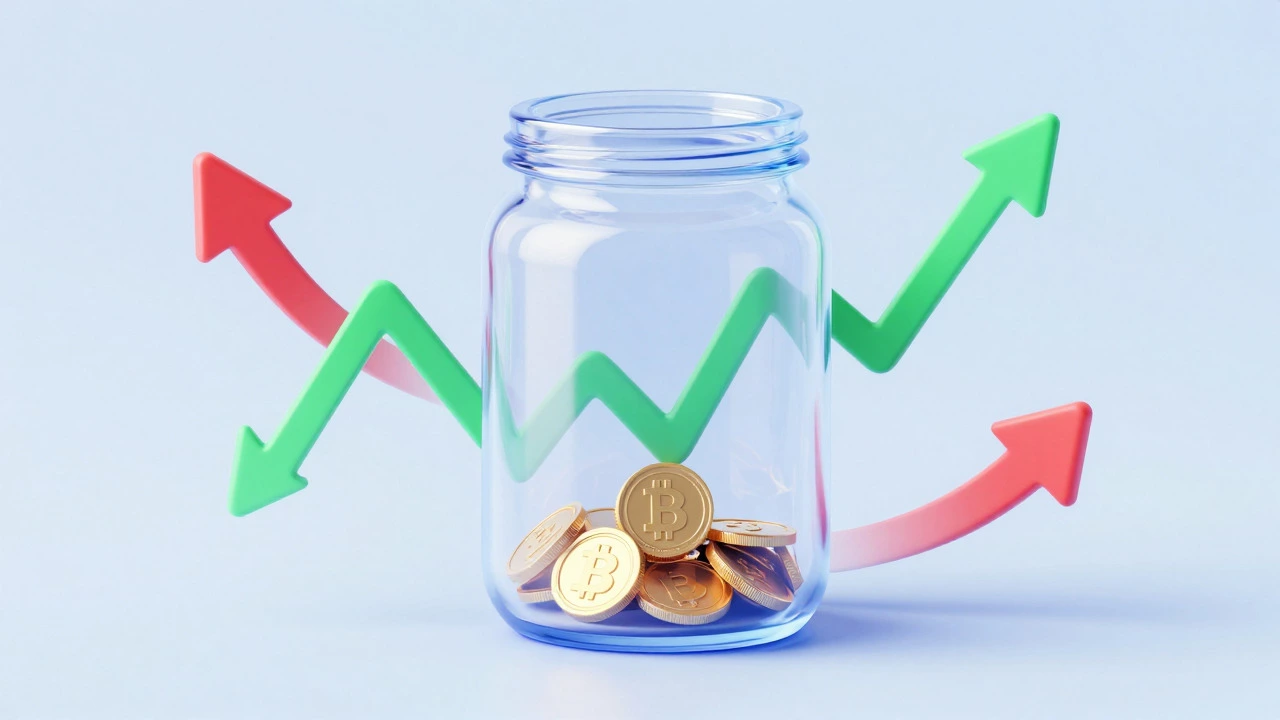
Crypto doesn’t sleep, and it doesn’t care about your day job. Prices can swing 10% or 20% in a single day. This volatility is both the opportunity and the danger. How do you protect yourself? Position sizing is your best friend.
Never put all your eggs in one basket. A common rule of thumb for beginners is to risk no more than 1-2% of your total trading capital on a single trade. If you have $1,000 to trade, don’t buy $1,000 worth of Ethereum. Buy $100 or $200. If that position goes down 50%, you’ve only lost half of a small portion of your portfolio, not everything.
Also, understand the difference between spot trading and margin trading. Spot trading means you buy the actual coin and own it. Margin trading allows you to borrow money from the exchange to buy more coins, using your existing coins as collateral. While margin can amplify gains, it also amplifies losses. If the price drops too much, the exchange can force-sell your assets to cover the debt. This is called liquidation. Until you are very comfortable with the basics, stick to spot trading.
Basic Analysis: What Moves the Price?
You don’t need to predict the future, but you should understand why prices move. There are two main ways traders analyze the market: fundamental analysis and technical analysis.
Fundamental analysis looks at the project itself. Is the team reliable? Does the technology solve a real problem? Are there partnerships? For example, when a major bank announces it will use blockchain technology, related cryptocurrencies often see a price bump. This is news-driven movement.
Technical analysis uses charts and indicators to predict future price movements based on past behavior. Beginners shouldn’t get bogged down in complex indicators yet. Start with support and resistance levels. Support is a price level where a falling stock tends to stop and bounce back up. Resistance is a level where a rising stock tends to stall and drop. Watching these levels helps you decide when to buy near support and when to sell near resistance.

Taxes and Record Keeping
Here is the part nobody talks about until tax season arrives. In most countries, cryptocurrency is treated as property or an asset for tax purposes. Every time you sell crypto for cash, or even swap one crypto for another, it may be a taxable event. If you bought Bitcoin for $10,000 and sold it for $15,000, you owe taxes on that $5,000 gain. If you swapped Bitcoin for Ethereum, that might also count as a sale in the eyes of the tax authority.
Keep a spreadsheet or use dedicated software to track every transaction. Record the date, the amount, the purchase price, and the sale price. Exchanges provide download reports, but they often lack context (like which specific wallet the coins came from). Manual verification is key to avoiding penalties.
Common Pitfalls to Avoid
- FOMO Buying: Buying because the price is skyrocketing. Often, you buy at the top just before a correction.
- Ignoring Fees: Small fees add up. If you trade frequently, high fees can wipe out your profits.
- Chasing Hype: Buying meme coins or obscure tokens just because they are trending on social media. These have high risk and low liquidity.
- Not Securing Accounts: Failing to enable two-factor authentication (2FA) on your exchange account. Always use app-based 2FA, not SMS, as SMS can be hacked.
| Concept | Description | Risk Level | Best For |
|---|---|---|---|
| Spot Trading | Buying actual assets to hold | Medium | Long-term investors |
| Margin Trading | Borrowing funds to increase position size | High | Experienced traders |
| Limit Orders | Executing trades at a specified price | Low | All traders |
| Market Orders | Executing trades immediately at current price | Medium | Urgent executions |
Frequently Asked Questions
Do I need a lot of money to start trading cryptocurrency?
No. Most exchanges allow you to start with as little as $10 or $20. The goal for beginners is to learn the mechanics, not to make immediate large profits. Start small so the learning curve doesn’t feel painful.
Is it better to hold crypto or trade actively?
Holding (often called "HODLing") is generally less stressful and has lower fees since you aren't trading constantly. Active trading requires more time, skill, and emotional control. Many beginners find success by holding major coins like Bitcoin and Ethereum while keeping a small portion for experimenting with trades.
What is the safest way to store my crypto after buying it?
For small amounts, keeping them on a reputable exchange is convenient. For larger amounts, moving them to a hardware wallet (a physical device that stores private keys offline) is the gold standard for security. It protects you from online hacks.
How do I know when to sell?
Set a target price before you buy. If you think Bitcoin will reach $70,000, decide now whether you’ll sell all of it or just half. Having a pre-defined exit strategy prevents you from getting greedy or panicked when the price moves.
Are cryptocurrency trading bots good for beginners?
Probably not yet. Bots execute strategies automatically, but if you don’t understand the strategy, you won’t know when it’s failing. Master manual trading first. Once you have a consistent edge, then consider automating it.