Fun Money Budget Calculator
Your Budget Breakdown
🚀 Wealth Booster: By investing an extra $0 per month instead of spending it, you could potentially grow your portfolio by $0 over 20 years (assuming 7% average annual return).
The goal isn't to live like a monk. It's to figure out a number that lets you enjoy your life today without sabotaging your future self. Whether you're treating yourself to a fancy dinner or buying a new gaming console, the magic happens when you spend that money knowing every other bill is already paid and your investments are growing.
What Exactly Is Fun Money?
Before we crunch the numbers, let's define the terms. In the world of Personal Finance is the management of money and decision-making related to expenditures, and savings, we split spending into different buckets. Fun money, often called discretionary spending, is the money you spend on non-essentials. This isn't your rent, your electricity, or even your basic groceries. It's the stuff that makes life interesting.
Think of it as the 'guilt-free' zone. If you spend your fun money on a weekend trip to the coast or a series of expensive cocktails, you don't have to feel bad about it because it was already accounted for. It's different from 'lifestyle inflation,' where your spending creeps up as you earn more. A dedicated fun money budget puts a ceiling on that creep.
The 50/30/20 Rule: A Simple Starting Point
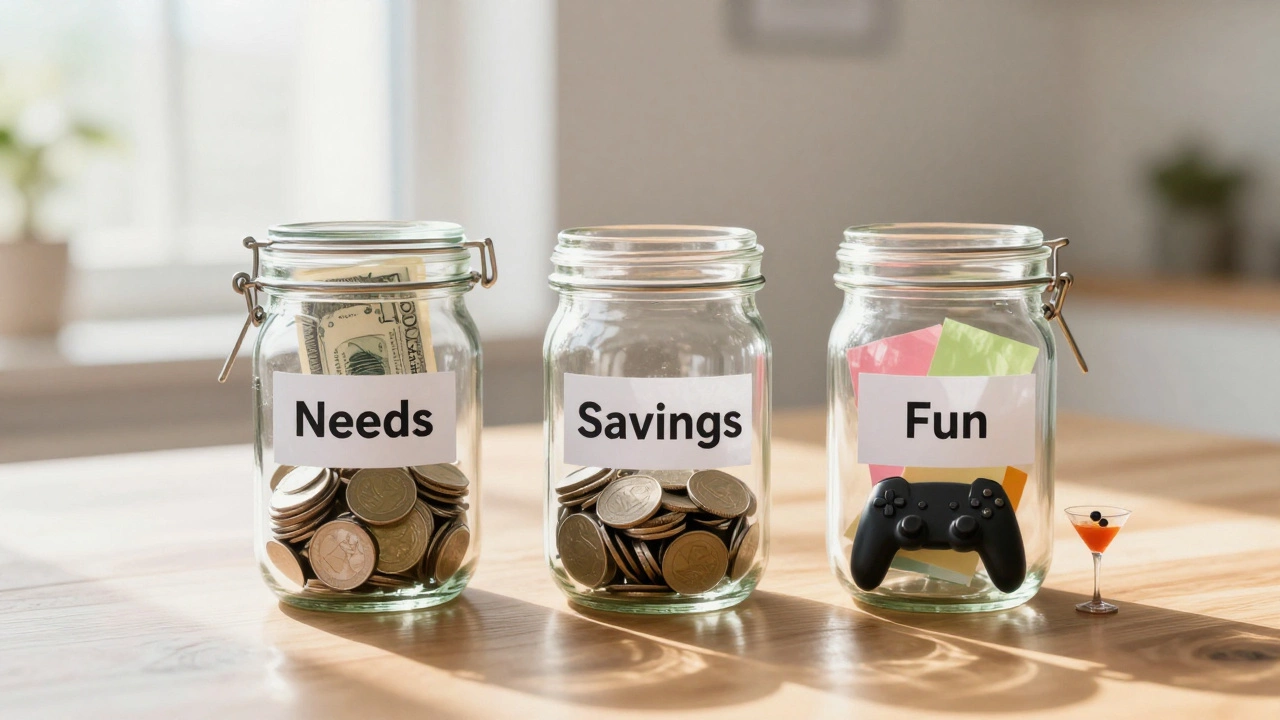
If you aren't sure where to start, look at the 50/30/20 rule. This is a widely accepted heuristic for balancing a budget. It suggests that 50% of your after-tax income goes to needs, 20% goes to savings and debt repayment, and 30% goes to wants.
Your fun money lives inside that 30% 'wants' category. However, 'wants' also include things like Netflix subscriptions, gym memberships, and dining out. If you subtract those recurring lifestyle costs from that 30%, you're left with your true monthly fun money. For someone earning $5,000 a month after tax, the 30% allocation is $1,500. If your monthly subscriptions and occasional dinners cost $800, you've got $700 in pure fun money to play with.
| Income Level | Needs (50%) | Savings/Debt (20%) | Wants/Fun (30%) |
|---|---|---|---|
| $3,000 | $1,500 | $600 | $900 |
| $5,000 | $2,500 | $1,000 | $1,500 |
| $8,000 | $4,000 | $1,600 | $2,400 |
Balancing Fun Money with the Stock Market
Here is where the tension happens: the trade-off between current pleasure and future wealth. Every dollar you spend on a luxury item today is a dollar that isn't compounding in the Stock Market. If you're aggressively building a portfolio, you might find the 30% 'wants' allocation too high.
Consider the power of compounding. If you take $200 from your monthly fun budget and instead put it into an Index Fund (like one tracking the S&P 500), that money doesn't just sit there. With an average annual return of 7-10%, that small monthly sacrifice can grow into hundreds of thousands of dollars over a few decades. This is why many successful investors pivot to a 50/10/40 split, where they prioritize investment over immediate gratification.
The trick is to find your 'sweet spot.' If you cut your fun money to zero, you'll likely burn out and eventually go on a massive spending spree, which is worse for your long-term goals. A sustainable budget is one you can actually stick to for years, not weeks.

How to Calculate Your Exact Number
If the generic percentages don't feel right, try the 'Bottom-Up' approach. Instead of deciding what you *can* spend, look at what you *actually* spend. For one month, track every single non-essential purchase. Use an app or a simple notebook. You'll likely find that you're spending more on 'small' things-like the $6 latte or the $15 app subscription-than you ever would on a big purchase.
- List your fixed needs: Rent, insurance, utilities, basic food.
- Set your investment goal: Decide how much you need for retirement or a house deposit.
- Account for 'Necessary Wants': Internet, basic phone plan, gym.
- The Remainder: Whatever is left is your maximum fun money.
If that remainder is too low to keep you happy, you have two choices: lower your investment contributions (not recommended) or find a way to reduce your fixed needs. Maybe it's time to renegotiate your internet plan or stop paying for that streaming service you never watch.
Common Pitfalls to Avoid
The biggest trap is the 'Reward Loop.' You work a stressful week at the office, so you tell yourself you 'deserve' a $200 dinner. While treating yourself is great, if the reward happens every week, it's no longer a treat-it's a habit. When rewards become habits, they eat your fun money budget and start eating into your savings.
Another mistake is ignoring the 'Sinking Fund.' Fun money is for monthly enjoyment, but it's not for the big stuff. If you want a $2,000 vacation in December, don't try to squeeze that into your monthly fun money in November. Instead, create a sinking fund-a separate savings account where you put a small amount every month specifically for that trip. This keeps your monthly fun money consistent and prevents your budget from crashing when you want something big.
Strategies for Managing Your Fun Money
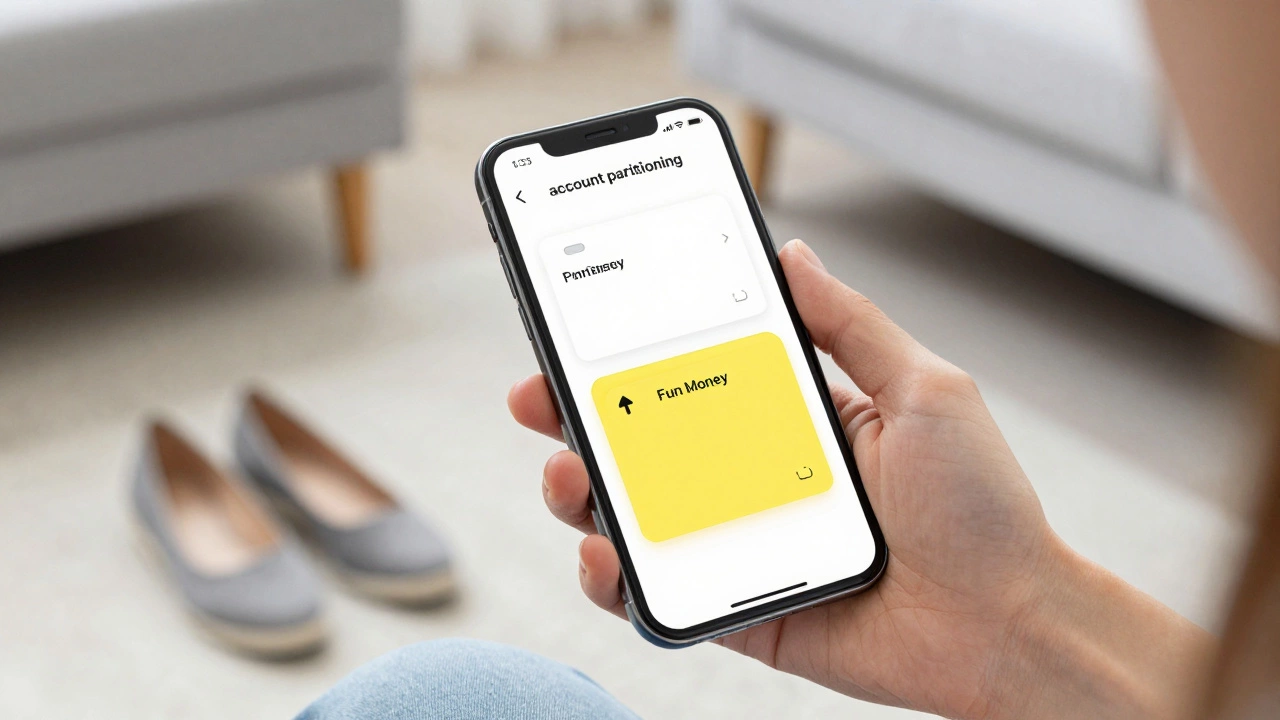
The easiest way to manage this is through 'Account Partitioning.' Don't keep your fun money in your main spending account. When you get paid, immediately transfer your fun budget to a separate account or a digital wallet like Revolut or Wise.
When that specific account hits zero, the fun is over for the month. This creates a physical and psychological barrier that prevents you from accidentally spending your rent money on a new pair of shoes. It also removes the guilt; once the money is in the 'Fun Account,' you have full permission to spend it all on whatever you want.
Adjusting Your Budget Over Time
Your fun money needs will change. In your 20s, you might spend more on socializing and travel. In your 30s, those funds might shift toward hobbies or home improvements. The key is to review your numbers every six months. If you get a raise, don't immediately increase your fun money. Use the 'Rule of Thirds': put one-third toward your needs (better quality of life), one-third toward your investments, and one-third toward your fun money.
This prevents lifestyle inflation from stealing your wealth-building years. By capping the increase in your spending, you ensure that as you earn more, you also get richer, rather than just spending more on things that don't actually add long-term value to your life.
Is it okay to spend my fun money on investments?
Yes, absolutely. If you find that you're not using your full monthly fun budget, moving that money into the stock market is a great move. Just remember that your 'investment bucket' should be funded first. Fun money is the overflow. If you use fun money for investing, you're effectively accelerating your financial independence.
What happens if I overspend my fun money in one week?
If you spend your whole month's budget in seven days, you have two options. You can either 'fast' for the rest of the month-meaning no more non-essential spending-or you can 'borrow' from next month's budget. However, borrowing creates a debt cycle that's hard to break. The best approach is to stop spending immediately and wait for the next pay cycle to reset.
Should my partner and I have a joint fun money budget?
Many couples find a 'Yours, Mine, and Ours' system works best. You have a joint account for shared needs and shared fun (like date nights), but you each maintain your own individual fun money accounts. This allows you to buy gifts for each other or pursue individual hobbies without needing to justify the expense to your partner.
Does fun money include things like haircuts and skincare?
This depends on your personal values. If a basic haircut is a necessity for your job, it's a 'Need.' If you're getting a high-end salon treatment or expensive luxury skincare, that falls under 'Wants' or fun money. The general rule is: if it's for maintenance, it's a need; if it's for luxury, it's fun money.
How do I handle unexpected fun opportunities?
This is where a 'Mini-Buffer' comes in. Try to save a small portion of your fun money every month (say 10%) into a separate sub-account. When a friend invites you on a last-minute trip or a concert ticket suddenly becomes available, you can dip into this buffer without ruining your monthly budget.
Next Steps for Your Budget
If you're feeling overwhelmed, don't try to build a perfect budget overnight. Start by picking one method-either the 50/30/20 rule or the 'Bottom-Up' tracking method. For the next 30 days, just observe where your money goes. You'll likely be surprised by the 'leakage' in your spending.
Once you have your number, set up that separate account. The physical act of moving money into a 'Fun' bucket changes your mindset from 'Can I afford this?' to 'Do I want to use my fun money on this?' That simple shift in perspective is the key to enjoying your money without the stress.