Input Tax Credit: What It Is and How It Saves Businesses in India
When you buy goods or services for your business, you pay input tax credit, a mechanism under India’s GST system that allows businesses to offset the tax they paid on purchases against the tax they collect from customers. Also known as ITC, it’s not a refund—it’s a deduction that cuts your final tax bill. If you run a business in India and pay GST on raw materials, equipment, or services like logistics or software, you’re likely eligible. Skip this, and you’re overpaying taxes.
Input tax credit ties directly to GST, India’s unified tax system that replaced multiple state and central taxes. This system was built to avoid double taxation, and ITC is its backbone. For example, if you buy packaging materials for ₹10,000 with ₹1,800 GST, and later sell your product for ₹50,000 with ₹9,000 GST collected, you don’t pay the full ₹9,000. You subtract the ₹1,800 you already paid—that’s your input tax credit. What’s left—₹7,200—is what you actually owe the government. Without ITC, businesses would pay tax on tax, making everything more expensive. This applies to everything from a small shop buying stationery to a factory purchasing machinery. But it’s not automatic. You must be registered under GST, have a valid tax invoice, and file your returns on time. Miss a deadline, and you lose the credit.
Many small businesses miss out because they don’t track invoices properly or think ITC only matters for big companies. That’s wrong. Even a freelance designer paying GST on software subscriptions or a local mechanic buying tools can claim ITC. It’s not about size—it’s about compliance. The GST return filing, the process of reporting sales, purchases, and taxes owed to the government is where ITC gets claimed. If you’ve ever filed GSTR-3B or GSTR-1, you’ve already started the process. But if your supplier didn’t upload their sales data, your credit won’t show up. That’s why matching invoices with your supplier’s filings matters.
There are limits too. You can’t claim ITC on personal use items, cars (unless used for transport business), or food and beverages. And if you switch from regular GST to the composition scheme, you lose all accumulated credits. It’s not just about claiming—it’s about knowing what you can and can’t claim. The system rewards accuracy, not guesswork.
What you’ll find below are real, practical guides on how to claim ITC correctly, how to fix common mistakes, and how to use GST rules to your advantage. Whether you’re a small retailer, a service provider, or a startup managing your first tax cycle, these posts cut through the confusion. No jargon. No fluff. Just what you need to pay less tax and keep more money in your business.
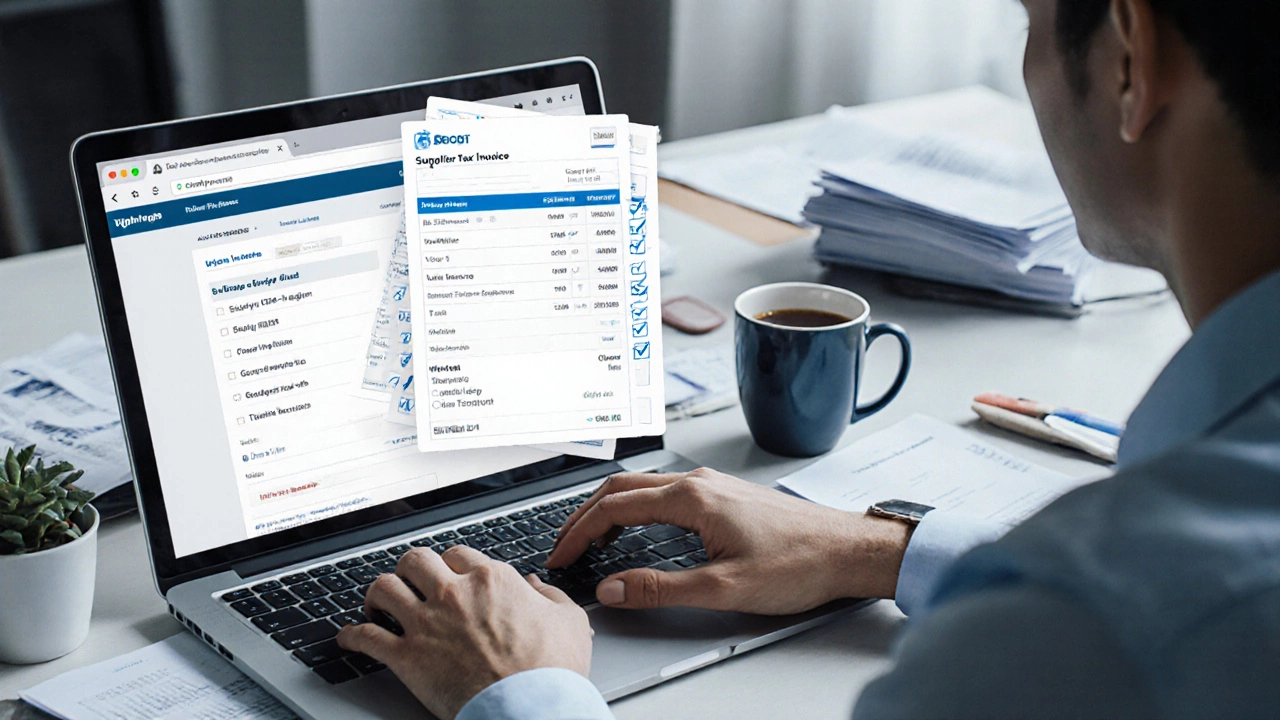
What Are the Rules for GST Claims? A Clear Guide for Businesses
Learn the exact rules for claiming GST input tax credit, what you can and can't claim, common mistakes that delay refunds, and how to avoid penalties. A practical guide for businesses filing GST.
View more